Your pool pump is like the heart of your pool's circulation system. When it's working well, it keeps the water clean, spreads chemicals evenly, and lets the filter do its job without stress. But when things start going wrong, you usually get some hints before it completely gives out. Catching these early warning signs can save you time, money, and a lot of hassle. If you're looking for reliable pool service or need help with pump repair, recognizing these symptoms early is key.
This guide will help you spot signs that your pool pump isn't working right, explain common issues, and help you decide whether to repair or replace it. We'll also look at energy-efficient upgrades, handy maintenance tips, and some real-life examples so you can make smart choices for your pool. If you want to know more about keeping your water clear, check out our cloudy pool water guide and our pool filter maintenance article.
Why is pump performance so important? A failing pump doesn’t just mess with circulation. It can lead to cloudy water, uneven sanitizer distribution, higher energy bills, and wear out other equipment faster. According to the U.S. Department of Energy, variable-speed pumps can cut energy use significantly compared to traditional single-speed models. That's why many pool owners are switching to smarter systems. For more on energy efficiency standards, check out Energy Saver by the U.S. Department of Energy.
Why Pool Pump Problems Happen Fast
Circulation Keeps Water Clean
The pump pushes water through the filter, heater, and sanitation system. Even a small issue can affect the entire pool. If the flow slows down, debris may build up, chemical levels can get off, and algae might start growing. That's why troubleshooting the pool pump is often the first step in fixing water quality issues.
Heat and Humidity Add Stress
In hot, coastal areas, pumps run longer and deal with more debris and salt air. This can wear out seals, bearings, and motors faster if you skip maintenance. In places like Treasure Island, regular check-ups are even more crucial because moisture and heat can speed up wear and tear.
Little Problems Point to Bigger Issues
Pumps rarely fail without warning. Instead, they start with small changes like weak flow, strange noises, or a quickly filling basket. Noticing these signals can help you fix things before they turn into a major repair.
Common Signs Your Pool Pump Isn't Working
Strange Noises
A healthy pool pump should sound steady and predictable. If you hear grinding, screeching, rattling, or loud humming, it might mean a worn bearing, motor issue, or something stuck in the impeller. The experts at CDC Healthy Swimming stress the importance of keeping pool systems running well to ensure safe water conditions.
Weak Water Flow
If the return flow seems weaker, like you see less movement at the jets or debris hanging around on the surface, you might have a problem. It could be a clogged basket, a blocked impeller, an air leak, or a failing motor. If circulation is spotty, a professional pool cleaning can help check for debris and maintenance issues before assuming the pump is the issue.
Pump Loses Prime
If your pump can't prime, it can't pull water from the pool effectively. Common causes include air leaks, low water levels, cracked lids, damaged O-rings, or suction-side plumbing issues. Repeated prime loss isn’t just annoying; it can damage parts inside and leave the pump running dry, risking overheating.
Leaks Around the Pump
Water around the pump base, wet fittings, or visible cracks in the housing mean the system needs a look. Small leaks can get worse quickly and might mean failing seals. A leak near the pump usually means you should get an inspection soon because water can damage electrical parts and shorten the motor’s life.
Pump Tripping Breakers
Electrical problems should always be taken seriously. If the pump won't start, keeps tripping a breaker, or shuts off unexpectedly, there might be an issue with the motor, capacitor, wiring, or relay. Electrical failures aren't usually a DIY project; they should be checked by a qualified technician who can figure out if the problem can be fixed or if the equipment is near the end of its life.
What Causes Pool Pump Failure
Clogs and Poor Maintenance
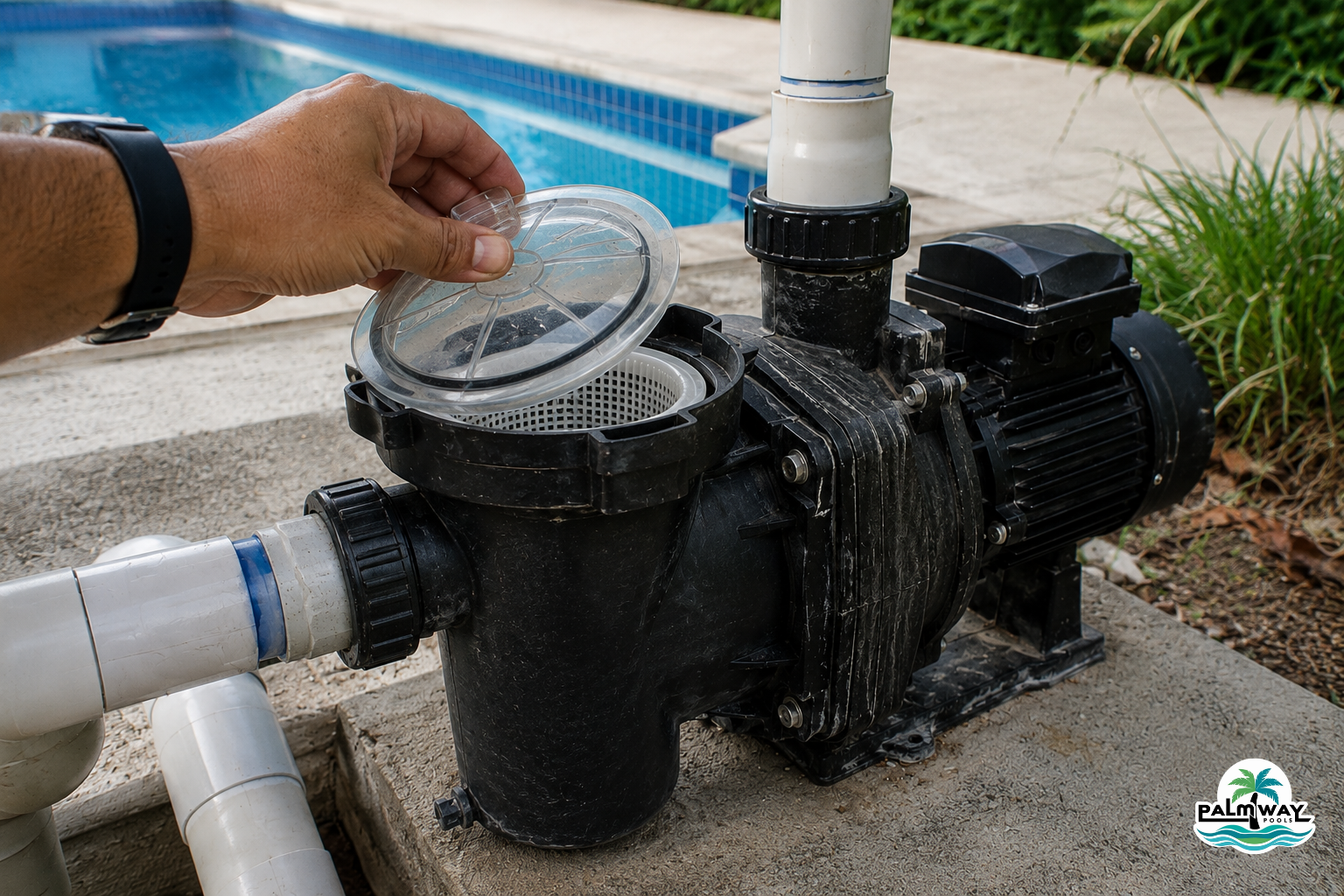
A clogged pump basket can slow water flow and make the motor work too hard. Over time, this can lead to overheating or early wear. Experts recommend checking the basket weekly because even a small collection of leaves, hair, or debris can cause a big performance issue. This is one of the simplest forms of preventive pool service and is often overlooked.
Worn Out Parts
Mechanical parts wear out over time, especially when the pump runs for long periods in hot weather. Bearings can get louder, seals can leak, and gaskets can crack. When these parts fail, the pump might still run, but efficiency drops and the risk of a full breakdown rises quickly.
Air Leaks in Suction Line
Air in the system can cause bubbling, noisy operation, and loss of prime. Common sources include loose lids, damaged O-rings, cracked fittings, or issues in the plumbing before the pump. Air leaks can be hard to spot, so a careful inspection is often the fastest way to find the problem.
Electrical or Motor Issues
Motors can overheat, capacitors can weaken, and wiring can degrade over time. If the pump hums but doesn't start, the capacitor might be failing, or the motor might be struggling. When the motor is the issue, a professional diagnosis helps determine whether pump repair is practical or whether pump replacement is the better investment.
Benefits of Variable-Speed Pumps
Energy Savings
Variable-speed pumps are popular because they adjust the output to match demand. Instead of running at full power all the time, they can operate at lower speeds for filtration and higher speeds only when needed. Research shows they can save 60 to 80 percent in energy costs compared with single-speed models. This makes them a smart upgrade for pool owners who want lower utility bills and quieter operation.
Quieter and Longer Life
Because variable-speed pumps don't run at maximum output constantly, they often put less stress on plumbing, seals, and internal parts. This can help extend the life of your pool equipment and reduce wear on the overall system. For many homeowners, this is a good reason to consider pool equipment repairs and upgrades when old pumps start showing repeated problems.
Better Flow Control
Different tasks need different flow rates. Filtration, spa use, heating, and vacuuming don't all need the same pump speed. A variable-speed unit offers better control, improving efficiency and helping keep water balanced more consistently. The U.S. Environmental Protection Agency provides additional guidance on pool energy-saving practices through its energy and pool resources.
Checking If Your Pump Is Failing
Start with the Basics
Before assuming the motor is dead, check the water level, pump basket, skimmer basket, and lid seal. Many pump failures are actually maintenance problems. If the water level is too low or the basket is packed with debris, the pump may lose suction and seem broken even if the core components are still fine.
Listen and Observe
Pay attention to sound, vibration, and water movement. If a pump is louder than usual, vibrates too much, or takes longer to move water, it might have a mechanical issue. Notice if the problem happens immediately at startup or only after the unit has been running for a while, as this can help a technician figure out the cause.
Check for Leaks and Air Bubbles
Look for puddles, drips, or a wet motor housing. Watch the return jets for air bubbles, which often point to suction-side air intrusion. If the motor feels too hot or the breaker trips, turn the pump off and schedule a service call. Running the unit at this stage can make the damage worse.
Compare with Normal Performance
One of the easiest ways to spot trouble is to know what “normal” looks like. How strong are the returns on a good day? How long does it usually take to clear debris? Does the pump sound smooth or slightly strained? By comparing current performance to your usual baseline, you can recognize a decline earlier.
Repair or Replace: What’s Best?
When to Repair
If the issue is a bad seal, a cracked lid, a loose fitting, or a clogged impeller, repair is often the most budget-friendly option. In many cases, the pump can be fixed without replacing the whole system. A technician can evaluate whether targeted pump repair will restore reliable service.
When to Replace
If the pump often breaks down, has major motor issues, or leaks chronically, replacement might save you more money over time. Older single-speed models can also be pricier to run, especially if they operate many hours per day. A new pump may improve circulation, reduce noise, and lower utility costs while giving the rest of the system a break.
Consider the Entire System
Sometimes the pump isn't the only problem. Worn filters, aging plumbing, or corroded fittings can make a pump seem weak when the real issue is broader system wear. That's why many homeowners benefit from a complete equipment evaluation instead of focusing on one symptom at a time.
Real-Life Example: Fixing Problems Early Saves Money
Signs of Trouble
A Florida homeowner noticed weaker water returns and a higher electric bill. The pool seemed fine at first, so it was easy to ignore. But after a closer look, the technician found a clogged pump basket and a motor starting to fail under extra strain.
Quick Fix and Repair
Once the basket was cleaned and the blockage cleared, circulation got better, but the motor still sounded odd. A timely repair saved the pump before the problem spread to other parts. This meant better flow, less energy waste, and less risk of a total shutdown during peak swimming season.
The Takeaway
This scenario shows why regular inspections matter. For a pool cleaning and maintenance business, catching pump problems early can improve customer satisfaction and cut down on emergency calls. For homeowners, it means avoiding a bigger repair later. Preventive service often turns out to be the cheapest solution in the long run.
How to Extend Your Pump's Life
Regular Cleaning
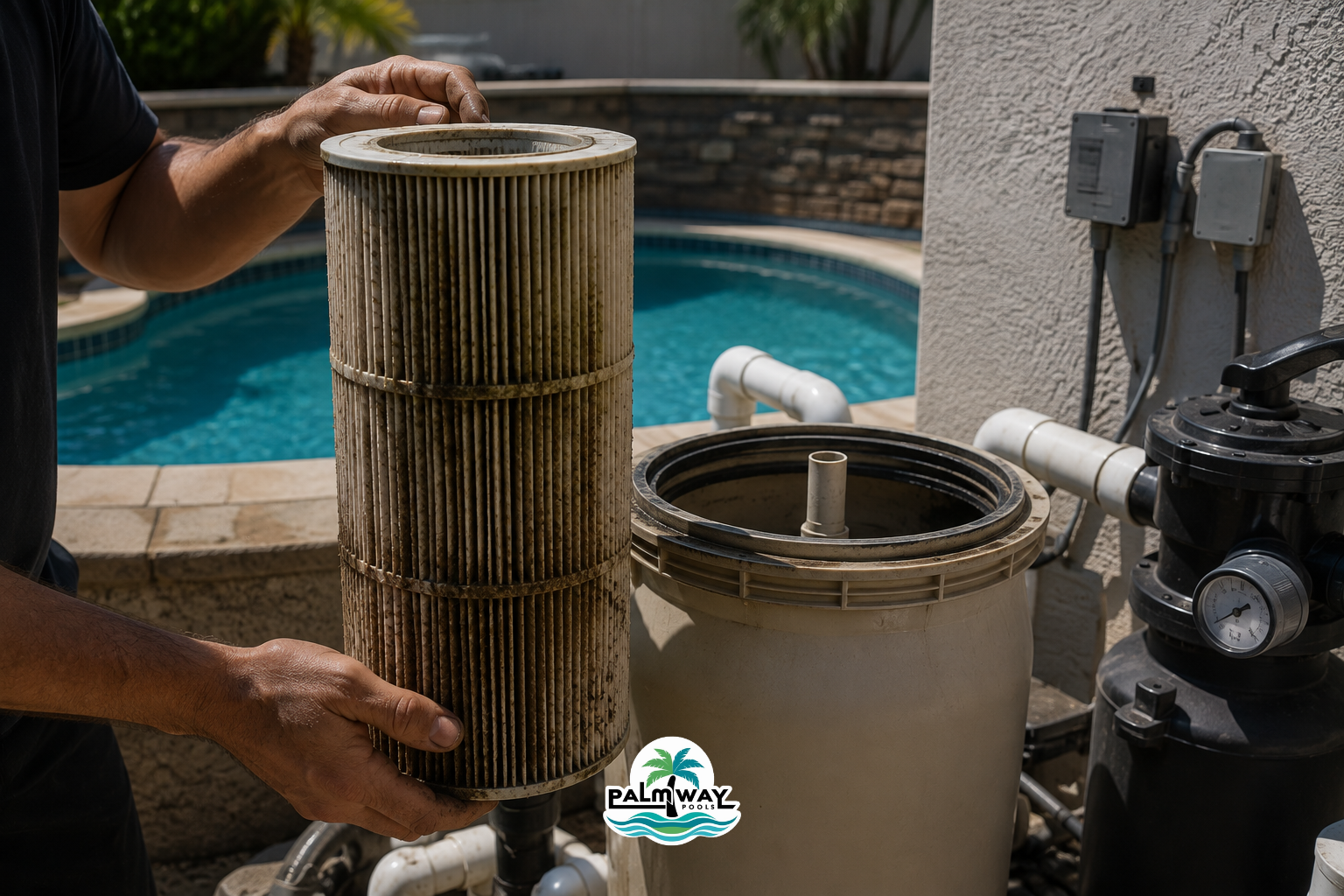
Debris is one of the most common causes of restricted flow. Clean the pump basket, skimmer baskets, and filter regularly so the pump doesn't have to fight against unnecessary resistance. If your filtration system needs attention, our pool filter replacement service can help restore better circulation and reduce strain on the pump.
Watch for Changes
Notice changes in sound and pressure early. A new hum, a grind, or a pressure drop might not seem urgent, but they often point to a real problem. Quick visual and audio checks can catch issues before they become expensive.
Schedule Professional Inspections
Even diligent owners benefit from professional service now and then. Technicians can test electrical components, inspect seals, identify air leaks, and make recommendations before failure occurs. This kind of support is especially valuable in a climate that constantly stresses pool systems. If you want a consistent maintenance plan, our pool service can help keep everything running smoothly.
FAQs About Pool Pump Problems
How Can I Tell If My Pool Pump Is Failing?
Look for weak water flow, strange noises, leaks, prime loss, or a unit that won't turn on. These are common signs your pump isn't working right. If you notice more than one symptom at the same time, it's usually a good idea to schedule a professional inspection.
Can I Keep Running a Noisy Pump?
It's not recommended to keep running a pump that sounds off. Noise often means the motor or bearings are under stress, and continued use can turn a manageable repair into a big failure. If it sounds loud, grinding, or screeching, shut the pump off and have it checked.
Is a Variable-Speed Pump Worth It?
For many homeowners, yes. Variable-speed pumps can offer big energy savings, quieter operation, and better control over circulation. They're especially attractive for properties with high daily run times or for owners who want more efficient long-term operation.
What Should I Do If My Pump Keeps Losing Prime?
First, check the water level, basket, lid seal, and visible fittings. If the problem continues, it might be an air leak, plumbing blockage, or other suction-side problem. A professional diagnostic visit can usually find the cause more quickly than trial and error.
Stay Ahead: Know the Signs and Act Early
Learning how to tell if your pool pump isn't working properly gives you an advantage as a pool owner. Instead of waiting for a full breakdown, you can respond to early warning signs like weak flow, strange noises, leaks, or prime loss. This approach protects your water quality, reduces repair costs, and helps your equipment last longer.
If your pump is showing signs of trouble, don't wait until circulation stops completely. A quick inspection, targeted repair, or well-timed replacement can keep your pool safe, efficient, and ready to enjoy. For expert help with pump repair, reliable pump replacement, or routine pool cleaning, Palmway Pools is here to help you keep your system in top shape. Contact us at (844) 307-1680 or visit Palmway Pools to schedule service and protect your pool investment.
For a visual walkthrough of common pump issues, you can also review this helpful video: How Do I Know if My Pump is Working Properly?