Is Your Pool System Running Smoothly?
Keeping your pool in good shape means more than just having water that's constantly moving. It's about ensuring clear water, safe swimming, saving on energy, and extending the life of your equipment. When things like circulation, filtration, cleaning, or chemical balance start slipping, you might notice little signs before a major issue crops up. Spotting these early can help you fix small issues before they turn into costly repairs.
If you're a pool owner or manage a property with a pool, knowing how to catch inefficiencies can save you both time and money. Often, it's not just one thing going wrong. It could be poor circulation, a blocked filter, an old pump, or chemical imbalances. Many folks rely on professional pool service or regular pool cleaning plans to keep things running smoothly.
This guide will help you recognize common signs of a struggling pool system, why these happen, and what you can do about it. We'll also touch on new tech trends like variable-speed pumps and smart monitoring systems, with support from industry resources like the EPA and CDC.
Understanding Pool System Efficiency
How Circulation, Filtration, and Balance Work Together
A pool runs best when water circulates well, passes through the filter, and stays balanced chemically without constant adjustments. These parts work hand-in-hand. Weak circulation means the filter can't catch debris effectively. If the filter isn't working right, maintaining water chemistry becomes tough. And if the chemistry is off, pool surfaces and equipment can wear out faster.
So, inefficiencies often show up as several small issues. You might notice cloudy water, strange pump noises, or the need to add chemicals more frequently. These clues can point to a hidden problem affecting the whole system. In a well-maintained pool, all parts support each other instead of causing issues.
How New Technology Has Changed Things
Modern pools now have variable-speed pumps, automated cleaning systems, and smart monitors that give live feedback on water conditions. These upgrades let you adjust performance based on what's needed rather than running everything at full blast all day. Research shows variable-speed pumps can cut energy use by up to 70% compared to single-speed models, making them a smart upgrade.
If you're considering system improvements, equipment upgrades can go well with pool equipment repairs or a pump replacement. But remember, even the best gear needs proper runtime, correct sizing, and regular maintenance to work well.
Signs Your Pool System is Slacking Off
Cloudy Water or Quick Loss of Clarity
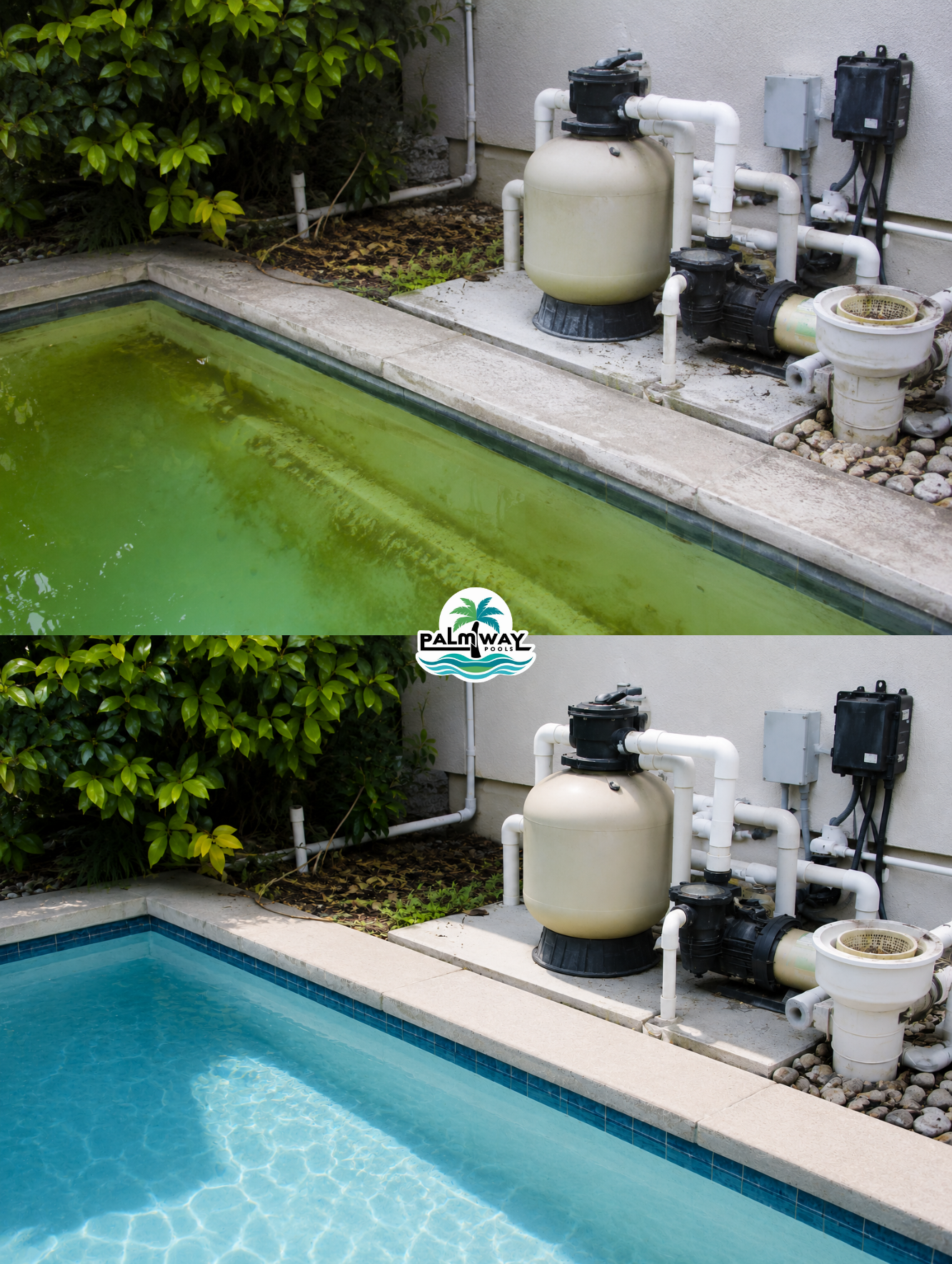
Cloudy water is a common sign your pool system might be struggling. Weak circulation or filtration can leave tiny particles floating instead of getting filtered out. Poor chemical distribution can worsen the issue, especially after heavy use or rain. If your pool goes from clear to dull quickly, it might not be processing water efficiently.
Cloudiness might also mean a dirty or old filter, a weak pump, or chemistry that's off. If this happens a lot, check your equipment or maintenance routine. For more on this, check out our guide on cloudy pool water in Treasure Island.
Weak or Uneven Circulation
A well-working pool moves water steadily through skimmers, returns, the pump, and the filter. If circulation weakens, you might notice dead spots where debris collects, poor chemical distribution, or weaker water movement. This often happens if a pump is too small, a basket is clogged, the filter is dirty, or air is getting in.
Weak circulation isn't just annoying. It can let algae and bacteria grow more easily. Running the pool pump 8 to 12 hours daily is generally recommended, though this depends on pool size and use. Regular service from experts in pool filter replacement can help keep water quality high.
Rising Energy Bills
If your pool system isn't working well, electricity use often goes up, even if the pool usage hasn't changed. The pump might run longer, the motor might struggle, or the system might cycle more due to imbalance. If your utility bill rises and pool use hasn't, your equipment might be working too hard.
This is why variable-speed pumps are so popular. They're programmed to run at lower speeds for longer, improving circulation while using less power. In Florida, where pools run year-round, this can save you a lot. A homeowner case study showed a 50% drop in energy bills after switching to a variable-speed pump and smart system.
Equipment Issues That Drain Performance
Pump Noise, Vibration, or Losing Prime
A healthy pump should sound steady. If you hear grinding, squealing, or rattling, the pump might have mechanical issues. Losing prime, air bubbles in return lines, or inconsistent circulation are also signs the pump isn't working well. These problems often sneak up gradually, so it's easy to ignore them until the system fails.
If your pump shows these signs, get it inspected quickly. Sometimes a pump repair fixes the issue, but older pumps might need replacing. For more help, see our article on how to tell if your pool pump needs attention.
High Filter Pressure or Ineffective Cleaning
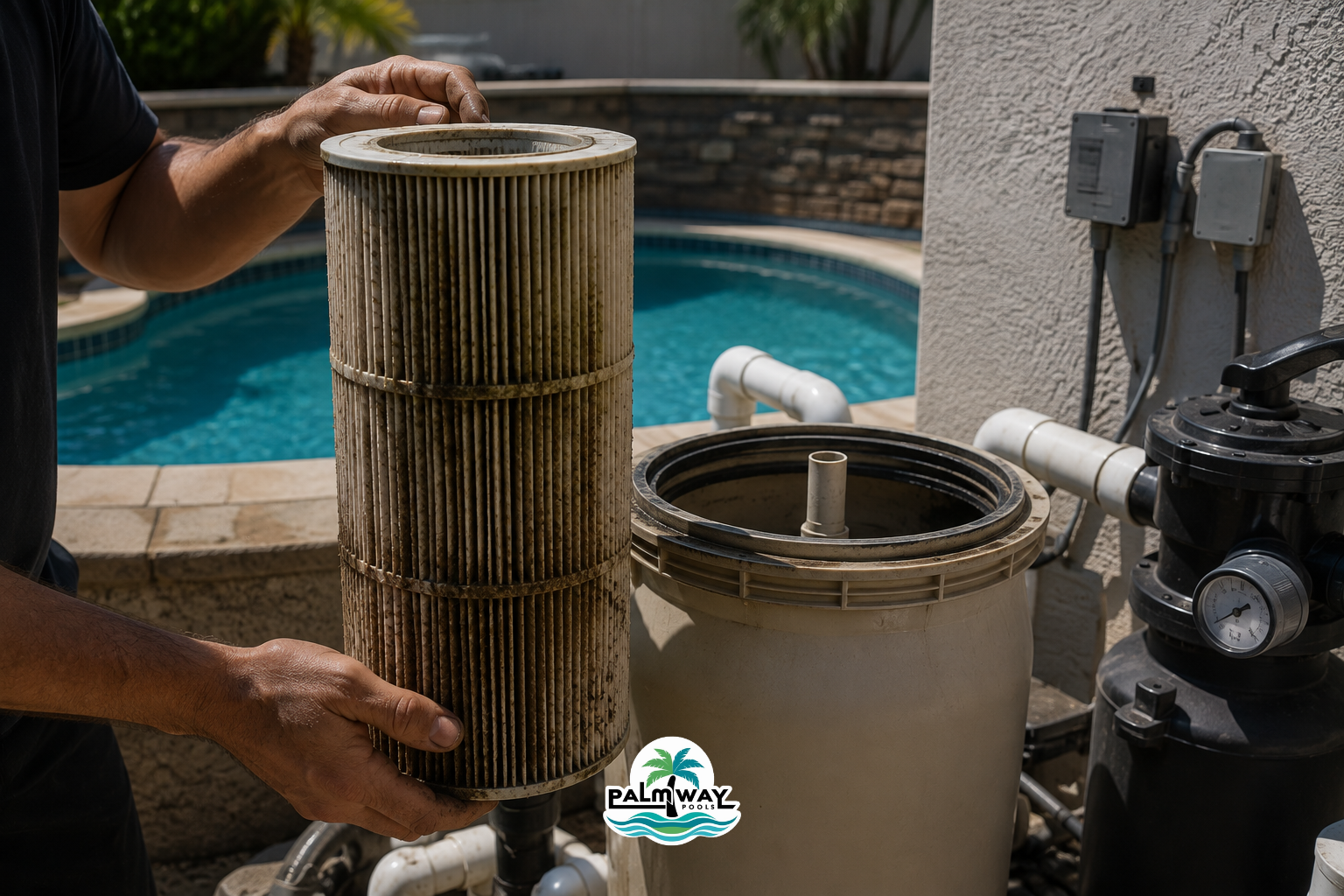
A filter that's not working right can cause a lot of issues. High pressure readings, weak return flow, or debris returning to the pool suggest filtration trouble. Over time, filters can get overloaded with dirt and oils, reducing flow and overworking the system.
Regular filter care is crucial because poor filtration leads to chemical imbalance, algae, and pump wear. If your filter needs service, check out our guide on pool filter maintenance. Sometimes, a worn system benefits from a professional filter replacement.
Inconsistent Heater Performance
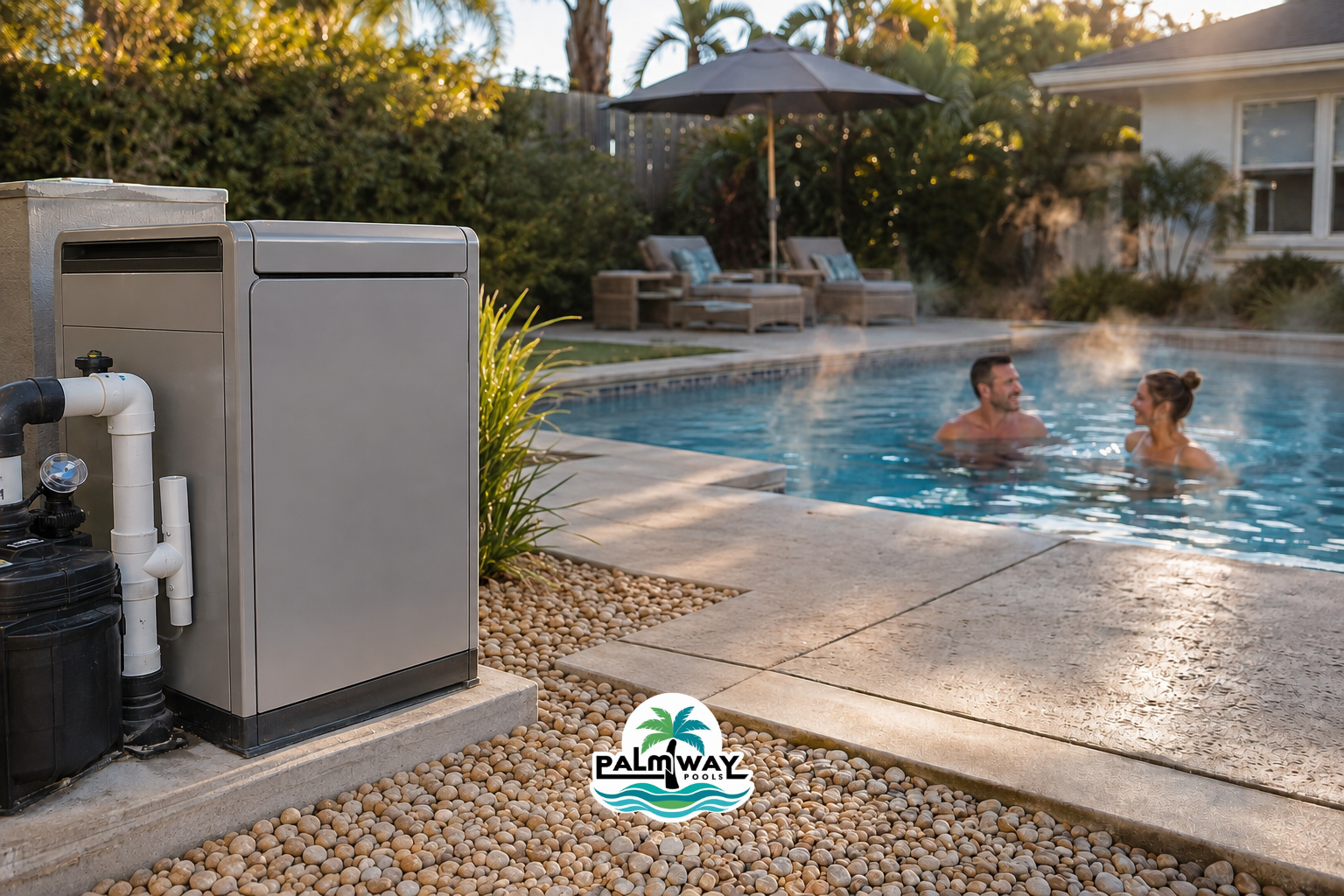
Heaters are key for overall system performance. If it takes longer to heat water, makes noises, or shuts off unexpectedly, your system might have flow, scale, or electrical issues. These problems increase energy use and reduce comfort.
Heater issues often signal bigger circulation problems, especially if water isn't moving through the unit well. Evaluating the whole system rather than just one component might be needed. Depending on condition, you might need pool heater repair or a replacement.
Water Chemistry Clues
Test Results Keep Drifting
When a pool's in good shape, chemicals stay balanced easily. If levels like chlorine, pH, or alkalinity keep swinging, it might be a circulation or filtration issue. Poor flow can leave some areas overtreated, and others undertreated, making the pool harder to manage even with regular chemical additions.
Testing is essential, but pair it with mechanical checks. Recurring chemistry problems might mean you need better water movement or a cleaner filter. This is why experts recommend combining water testing with regular pool service.
Algae Returns Quickly
In warm, humid climates, algae can bloom fast if circulation slows or cleaning is inconsistent. Even after shock treatment, algae might return if debris stays trapped or if sanitizer isn't well distributed. This is especially true in coastal Florida, where heat and moisture boost growth conditions.
Regular maintenance can help prevent visible algae. In Treasure Island, proactive care helps manage long seasons and frequent debris. For pools with staining or buildup, a pool drain and acid wash might be needed before starting a new care plan.
Water Smells Off
A strong chlorine smell doesn't always mean too much chlorine. It can indicate chloramines are building up because sanitizer is overwhelmed by contaminants. If water smells harsh, irritates swimmers, or loses clarity after treatment, it might be due to poor circulation or a failing filter.
This is why regular maintenance is important. A pool may look fine on the surface but show signs of inefficiency below. Regular cleaning, chemical checks, and equipment inspections prevent hidden decline. For spa owners, reliable spa & hot tub maintenance is just as crucial.
Maintenance Habits That Help
Stick to a Cleaning Schedule
Regular cleaning is an easy way to keep your pool running well. Skimming daily removes leaves before they sink, brushing weekly prevents algae and scale, and deep cleaning monthly stops buildup. These habits lighten the load on filters and pumps, making the system run smoother.
SwimmingPool.com suggests that consistent cleaning keeps pools healthy. Less debris means fewer chemical corrections and mechanical issues. A structured pool cleaning routine is a great investment.
Inspect Equipment Regularly
Checking equipment regularly helps catch small problems before they escalate. Look for leaks, cracked seals, rust, unusual vibrations, air in the lines, and loose fittings. These often show up before the pool looks dirty, so they're easy to miss if no one's watching.
Professionals say that preventive inspections cut downtime and extend equipment life. Checking your system often enough to catch changes early means fewer cascading issues. A solid service program can combine inspection, chemistry testing, and cleaning into one reliable routine.
Use Automation Wisely
Smart pool monitors and automatic cleaners are helpful, but they should support maintenance, not replace it. These tools give real-time data on water chemistry and equipment, helping spot trends early. Automatic cleaners reduce manual labor by keeping surfaces clear.
Even advanced systems need oversight. Sensors can drift, schedules can become outdated, and equipment wears out over time. Automation works best when paired with expert service and periodic checks. Pools with automatic cleaning systems might need less manual maintenance, but they still benefit from expert checks and timely service adjustments.
Troubleshooting Steps for a Struggling Pool System
Start with the Basics
Before assuming major issues, check the simple stuff. Empty skimmer and pump baskets, make sure the water level allows proper skimming, and verify steady flow from returns. Test the water and compare results to your normal baseline. Simple issues often cause bigger symptoms, so a methodical approach saves time and money.
If issues persist, inspect equipment. Check for leaks, air intake, pressure changes, and strange sounds. If evaluating the system yourself is uncomfortable, a technician can identify mechanical, chemical, or circulation design issues. This is often more effective than part replacement without a diagnosis.
Compare Performance to Normal
Identifying inefficiencies involves comparing current behavior to usual performance. Is the pump louder? Does it take longer to clear after cleaning? Are chemicals needed more often? Small changes in timing, noise, clarity, and energy use reveal where the system struggles.
Documenting changes helps when discussing with a service provider. More information makes it easier to isolate problems and choose fixes, especially when deciding between repair, replacement, or a broader maintenance overhaul.
Know When to Call a Pro
Some issues are simple; others need specialized tools and expertise. Persistent cloudiness, repeated pump failures, uneven heating, and chronic chemistry swings often indicate deeper concerns. If cleaning, testing, and inspecting haven't resolved it, professional service is the next step.
Palmway Pools supports those seeking dependable water care without the guesswork. Often, a professional review reveals if the best solution is a repair, filter change, or broader service plan with inspections and routine upkeep. For long-term reliability, expert guidance is invaluable.
Why Efficiency is Key in Treasure Island
Weather and Debris Wear Out Systems
In Treasure Island and other Gulf Coast areas, warm weather makes pool maintenance more demanding. Heat encourages algae while humidity and storms bring debris, stressing pumps, filters, and sanitizers. Small inefficiencies can quickly become noticeable problems.
Local pools benefit from frequent inspections and cleaning tweaks during peak season. What works in milder climates may not suffice where temperatures stay high most of the year. Responsive, local care is crucial, especially for properties relying on a clean appearance and reliable operation.
Different Strategies for Different Pools
Residential pools often have uneven use patterns, while commercial ones may experience heavier traffic and stricter cleanliness. Both need reliable systems, but maintenance strategies differ. A family pool might need better debris control and seasonal checks, while rentals might need more frequent visits and quicker issue responses.
Flexible service plans are valuable. The right plan considers pool size, usage, equipment age, and environmental conditions. Maintenance should match actual use, not a one-size-fits-all approach.
Common Questions About Pool System Efficiency
How Do I Know if My Pool Pump is Failing?
Look for unusual noises, reduced water flow, loss of prime, leaks, and higher energy use. If your pump acts differently, don't wait for a breakdown. Early inspection can reveal if a simple repair, cleaning, or replacement is needed.
Why is My Pool Cloudy Despite Maintenance?
Persistent cloudiness often means something limits performance. Causes include chemical imbalance, a dirty or worn filter, poor circulation, or insufficient run time. If cloudiness keeps returning, review both chemistry and equipment.
How Often Should My Pool System Be Checked?
Most pools benefit from frequent visual checks and regular professional attention. Inspect pumps, filters, and heaters often enough to catch wear, while testing water chemistry consistently. In hot climates, weekly oversight may be needed to stay ahead of algae, debris, and chemical swings.
What's the Quickest Way to Improve Efficiency?
Quick improvements come from cleaning baskets, checking water levels, correcting chemical imbalances, and ensuring a clean filter. If the pump or filter is old, performance might improve more with service or replacement. A professional assessment helps choose the most cost-effective step.
Wrap-Up: Keep Your Pool System Running Smoothly
An inefficient pool system gives warning signs if you know how to spot them. Cloudy water, weak circulation, rising bills, strange equipment sounds, recurring algae, and unstable chemistry all point to trouble. The good news? Early action can prevent costly repairs and restore smooth performance.
The best strategy combines cleaning, chemistry control, equipment checks, and smart upgrades when needed. Whether the fix is routine maintenance, a new pump, a better filter, or a full system review, the goal remains: cleaner water, less waste, and peace of mind. For year-round pool efficiency, contact Palmway Pools for reliable service and practical advice tailored to your pool. Call us at (844) 307-1680 or learn more at Palmway Pools.